GSA SER Verified Lists
Generating thousands of backlinks automatically sounds appealing until you realize that most platforms reject automated submissions. That is where GSA SER verified lists become the backbone of any successful search engine ranker campaign. Without verified targets, your software is essentially shooting in the dark—filling your logs with failed submissions and leaving behind a footprint that search engines can easily detect. A verified list changes the equation entirely, turning guesswork into a streamlined process that actually builds links.
What Are GSA SER Verified Lists?

A verified list is a curated collection of URLs where GSA Search Engine Ranker has successfully registered an account and posted a link during a controlled test run. Unlike raw scraped lists that contain a high percentage of dead, Patreon-walled, or Captcha-protected sites, verified lists only include platforms that accepted at least one automated submission recently. These lists typically cover a range of platforms: WordPress blogs, Joomla sites, guestbooks, image comments, forum profiles, and article directories. Each entry carries metadata such as platform type, required fields, and sometimes even a cookie or session token to speed up the registration process on subsequent runs.
The Difference Between Verified and Auto-Approved
Many users confuse verified lists with auto-approve lists, but there is a crucial operational distinction. A verified list simply confirms that a link can be placed; it does not guarantee that the link will stay live. The platform’s moderation queue might still delete your comment, or the owner might run a cleanup script overnight. An auto-approve list, on the other hand, contains targets where the post goes live instantly with no human review. In practice, robust GSA SER verified lists usually include a mix, but they are categorized separately inside the engine so you can route tier-1 campaigns toward quality moderated platforms while blasting auto-approve URLs to buffer sites or tier-2 properties.
Why Verified Lists Matter in Modern Link Building
Running GSA SER on a raw, unverified URL list is resource-intensive and dangerous. Every failed registration attempt wastes threads, burns proxies, and creates a pattern of failed submissions that can flag your IP. Quality verified lists reduce CPU load by skipping worthless targets right from the start. More importantly, they improve one of the most overlooked SEO metrics: the indexation rate. A link on a verified platform that has recently accepted content is far more likely to be crawled and indexed than a link left in a spam-ghetto directory that no crawler has touched in months. This shift from bulk volume to verifiable placements makes the difference between a campaign that triggers a manual action and one that steadily pushes authority upward.
How to Acquire High-Quality GSA SER Verified Lists
Sourcing reliable targets is an ongoing process because platforms update their software, add new security plugins, or simply go offline. The most effective approach combines automated verification with human oversight. You never want to rely on a single list that is three months old, because the decay rate on these URLs can exceed 30% per month depending on the niche.
Manual Verification Workflows
Setting up a dedicated verification project inside GSA SER remains the gold standard. You feed the tool a massive raw list—often millions of URLs harvested from footprints and local databases—and configure a project that only attempts registration and submission. After the run, the “Verified†folder in the engine contains URLs that returned a success message. You then export that subset, sort by platform, and optionally re-run an identification pass to strip out targets that use a specific Captcha service you cannot solve. This homegrown approach ensures that every GSA SER verified list you use is tailored to your exact proxy setup and content configuration.
Trusted Marketplaces and Communities
Several underground forums and private SEO communities trade monthly verified lists. The key is examining the seller’s methodology rather than just the file size. A legitimate provider will show a screenshot of the verification engine log, including the date stamp, the number of threads used, and the overall success rate. Avoid any list sold as “lifetime†or “never expires.†Platform footprints change so rapidly that any static list older than two weeks contains a significant percentage of dead entries. The best acquisition strategy is to find a supplier who delivers fresh dumps every seven to ten days and includes separate folders for different engines: one for article platforms, one for social networks, and one for comment-based targets.
Building Your Own Verified List
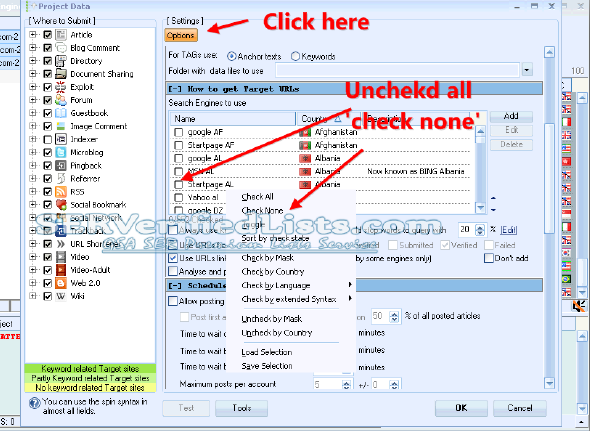
The most defensible long-term strategy is to build and maintain an in-house database. Start by scraping the top organic results for target keywords, then run those domains through an offline checker that identifies out-of-date CMS versions. Combine those with generic platform footprints like “powered by phpBB†or “leave a reply†scraped from search engines. Feed this raw harvest into a low-speed verification project that runs overnight on a residential proxy pool. Over the course of a few weeks, you will accumulate a proprietary GSA SER verified list that no competitor possesses. Store it in a versioned database and refresh sections based on platform type—WordPress targets every three days, forum profiles weekly—to keep freshness high without re-verifying everything constantly.
Avoiding Pitfalls with Pre-Built Lists
A common mistake is injecting a verified list directly into a high-velocity project without checking the OBL (outbound link) count on each domain. A target might technically accept your link, but if the same page is bloated with 400 other outgoing links, the equity passed is negligible. Before launching any serious campaign, run a small sample of a purchased GSA SER verified list through a bulk metrics checker. Filter out domains with high external OBL, low Domain Authority, or evidence of pharmaceutical spam. Clean lists produce clean results; polluted lists attract algorithmic penalties. Integrating this filtering step transforms a generic verified dump into a precision tool that builds links on assets that genuinely complement your money site’s profile.
Treating verified targets as a living asset rather than a one-time purchase fundamentally alters the trajectory of your off-page SEO. By continuously refreshing your sources, blending manual verification with smart filtering, and understanding the nuanced difference between verified and auto-approve, you create a link graph that mirrors natural growth while retaining the speed of automation.
check here
Comments on “Ultimate GSA Search Engine Ranker Verified Lists Tips for Link Building”